When Love Keeps You Awake: Snoring and Relationship Tensions
When Love Keeps You Awake: Snoring and Relationship Tensions
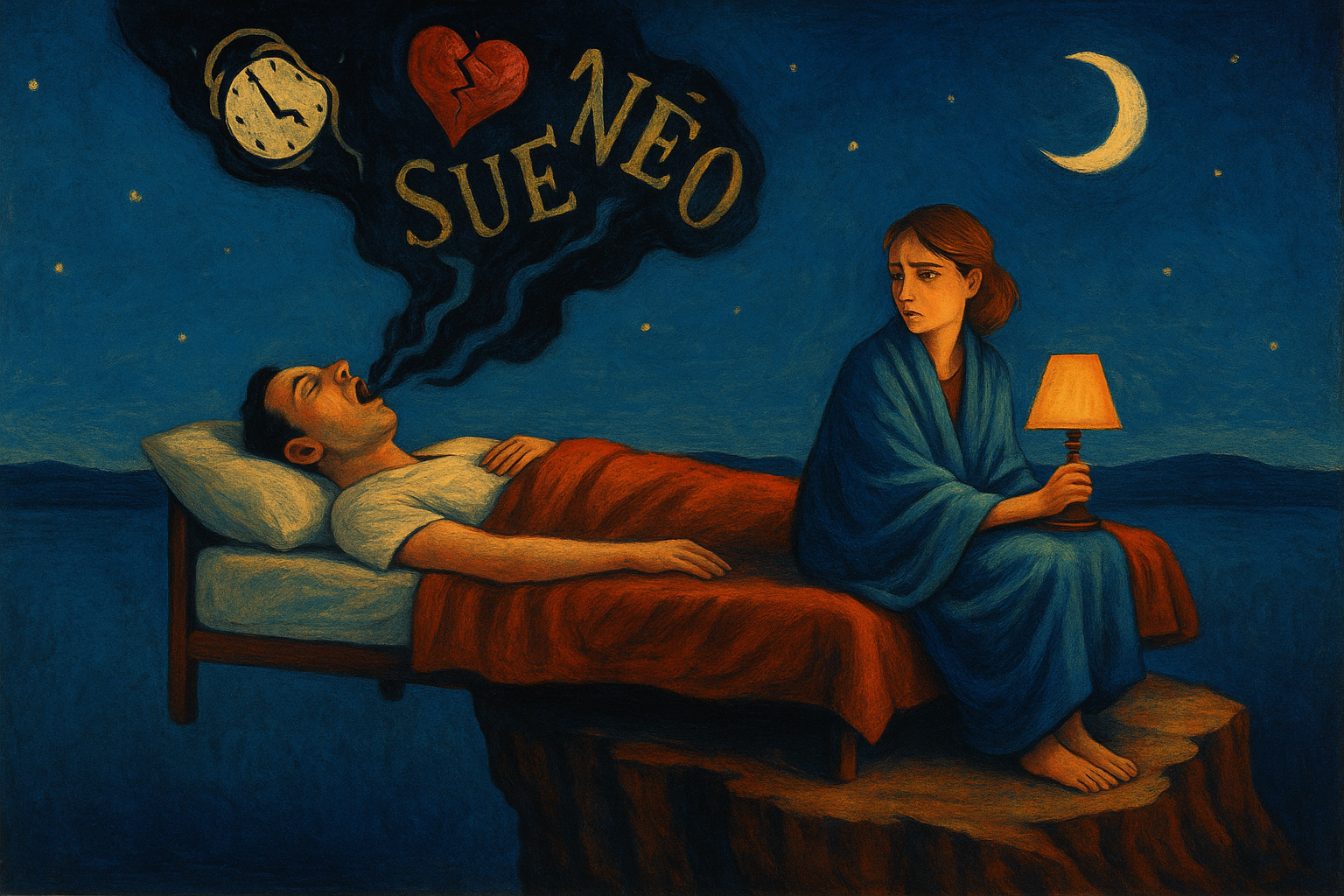
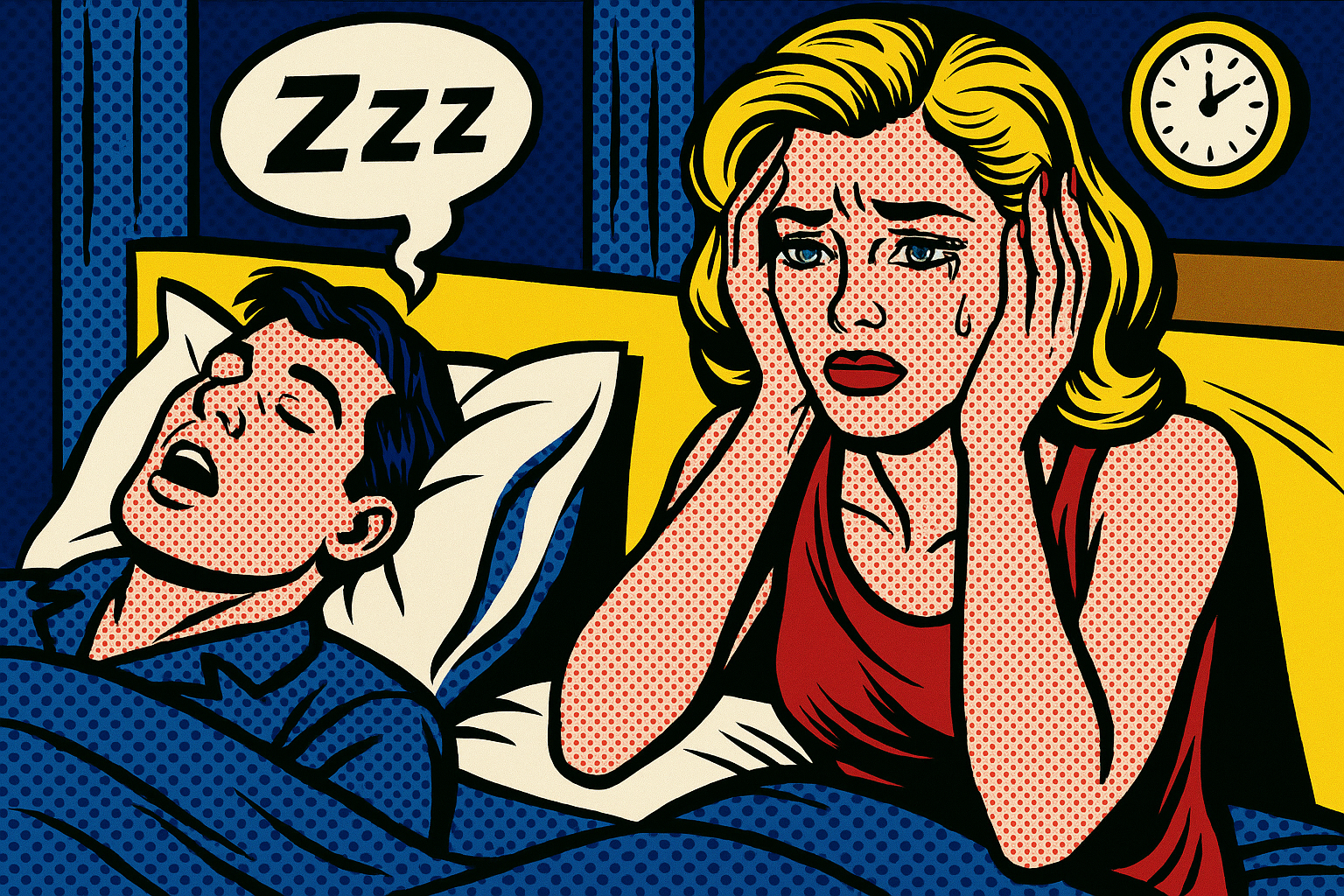
Picture an ordinary evening. A group of friends is having dinner. Between laughter and dessert, someone jokes: “I haven’t slept in weeks! He snores like a tractor.” The table bursts into laughter. But she, the partner of “Mr. Tractor,” doesn’t laugh. And he, wearing a slightly embarrassed smile, tries to play it down: “I don’t notice anything—I sleep like a log.” Silence. Awkwardness lingers in the air. The joke stops being funny.
Scenes like this—so common yet rarely talked about—are a reality I often see in practice. As a dental sleep medicine specialist, I’ve seen how snoring—beyond being a noisy nuisance—can quietly erode intimacy, rest, and even the emotional bond between partners.
The Invisible Impact of Snoring
Snoring isn’t just an acoustic problem—it’s a health issue. But it’s also an emotional trigger. According to a survey by the American Sleep Association, 36% of partners who share a bed with someone who snores have considered sleeping separately. And in Barcelona, a study from Hospital Clínic found that around 25% of adults with chronic snoring show clinically significant sleep disturbances, which also affect their partners.
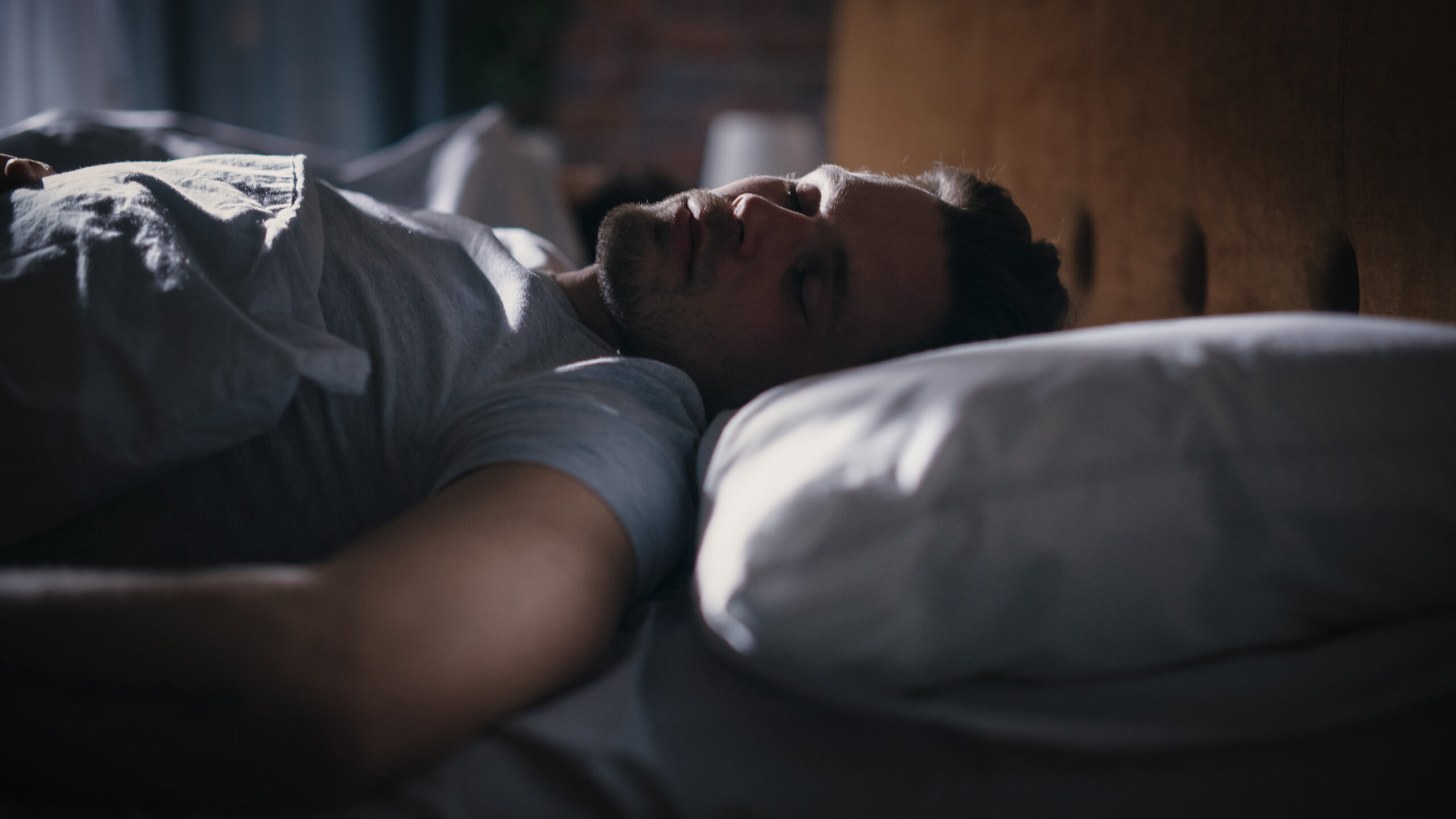
The person who snores often feels ashamed, becomes the butt of jokes, and sometimes carries guilt. It’s common for them to say in consultation: “I’m here because my partner asked me to come… but I don’t notice anything.” And that makes sense—sleep apnea or snoring isn’t always something you perceive from the inside.
The person sleeping next to them, however, bears the weight of insomnia, accumulated fatigue, and quiet resentment. Silent tension builds, weakening the relationship. Because when you don’t rest, your mood shortens, your patience fades, and friction increases.
Why Do We Snore?
Snoring happens when air cannot flow freely through the upper airway. This can result from:
- Unfavorable anatomy (small jaw, soft palate, large tongue)
- Excess weight
- Alcohol or sedative use before sleep
- Sleeping on your back
- Chronic nasal congestion
- Weak muscle tone in the throat
Often, these factors are combined with obstructive sleep apnea (OSA)—a more serious condition where breathing stops repeatedly throughout the night. This intermittent oxygen deprivation has metabolic, cardiovascular, and neurological consequences.
Could This Be Affecting You?
Here are some signs to watch for:
- Loud, frequent snoring
- Breathing pauses observed by your partner
- Gasping or choking awakenings
- Daytime sleepiness
- Mood changes or irritability
- Morning headaches
- Dry mouth or sore throat upon waking
- Trouble concentrating
In couples, this may also result in nightly arguments, a desire to sleep apart, or reduced emotional and physical intimacy.
What Can We Do?
The good news is: there are many solutions—medical, dental, and even psychological, especially when the emotional toll is significant.
Physical Approaches:
- Sleep studies (polysomnography) to assess sleep quality and detect apnea
- Mandibular advancement devices (MADs) to reposition the jaw slightly and keep airways open
- Custom occlusal splints, particularly in cases of associated bruxism
- Myofunctional therapy to strengthen the airway muscles
- Lifestyle changes, like weight control and sleep posture adjustments
- Surgery, only in very specific cases
Psychological Approaches:
- Couples therapy, to improve communication, empathy, and develop practical strategies (like sleep shifts, earplugs, shared routines)
- Individual therapy, to address anxiety linked to poor sleep or guilt from being the “cause” of it
The goal isn’t just to stop the snoring—it’s to help both partners sleep well… and stay connected.
Sleeping Well Is Loving Well
In a city like Barcelona, where more and more people prioritize well-being and emotional health, it’s vital to normalize that sleep is a pillar of a healthy relationship. Sleeping in separate rooms shouldn’t be taboo if it helps—but it also shouldn’t be the only option.
The key is to recognize the problem, treat it with a holistic approach, and restore what the couple should never lose: shared rest.
References
- Bruley des Varannes, S. et al. (2020). Snoring and sleep disorders: consequences on quality of life and relationships. Journal of Sleep Research, 29(4), e12942.
- Bonsignore, M. R. et al. (2021). Sleep apnea and systemic inflammation. European Respiratory Journal, 58(2): 2002345.
- Sociedad Española del Sueño. Estudio SIESTA: Prevalencia de los trastornos respiratorios del sueño en España, 2020.
- Troxel, W. M. et al. (2010). Does improving sleep improve relationships? Journal of Family Psychology, 24(4), 419–427.
- Hospital Clínic de Barcelona. (2022). Study on snoring and sleep quality in adults in Barcelona. Sleep Disorders Unit.