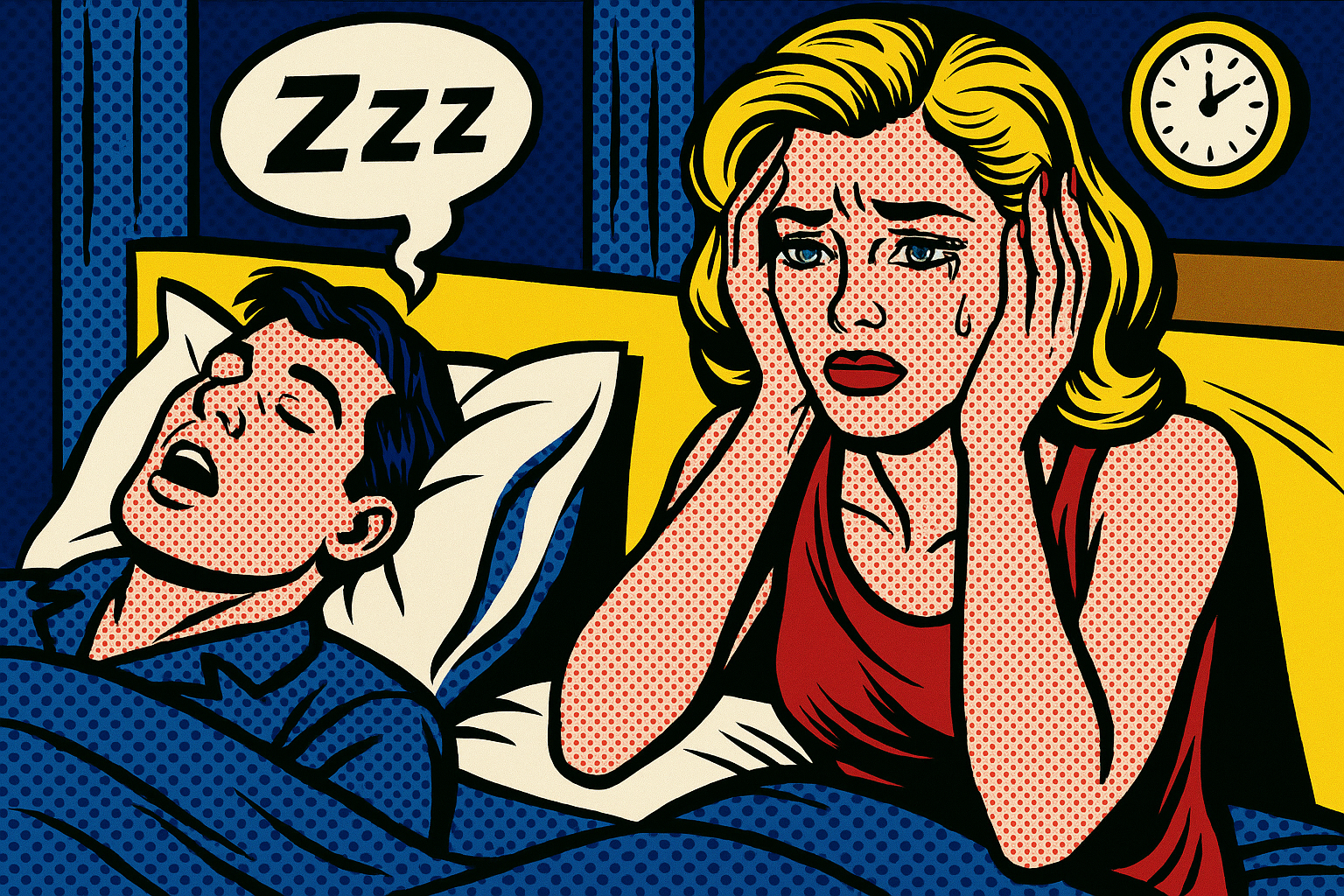
Sleep Apnea: When Sleep Becomes an Invisible Risk
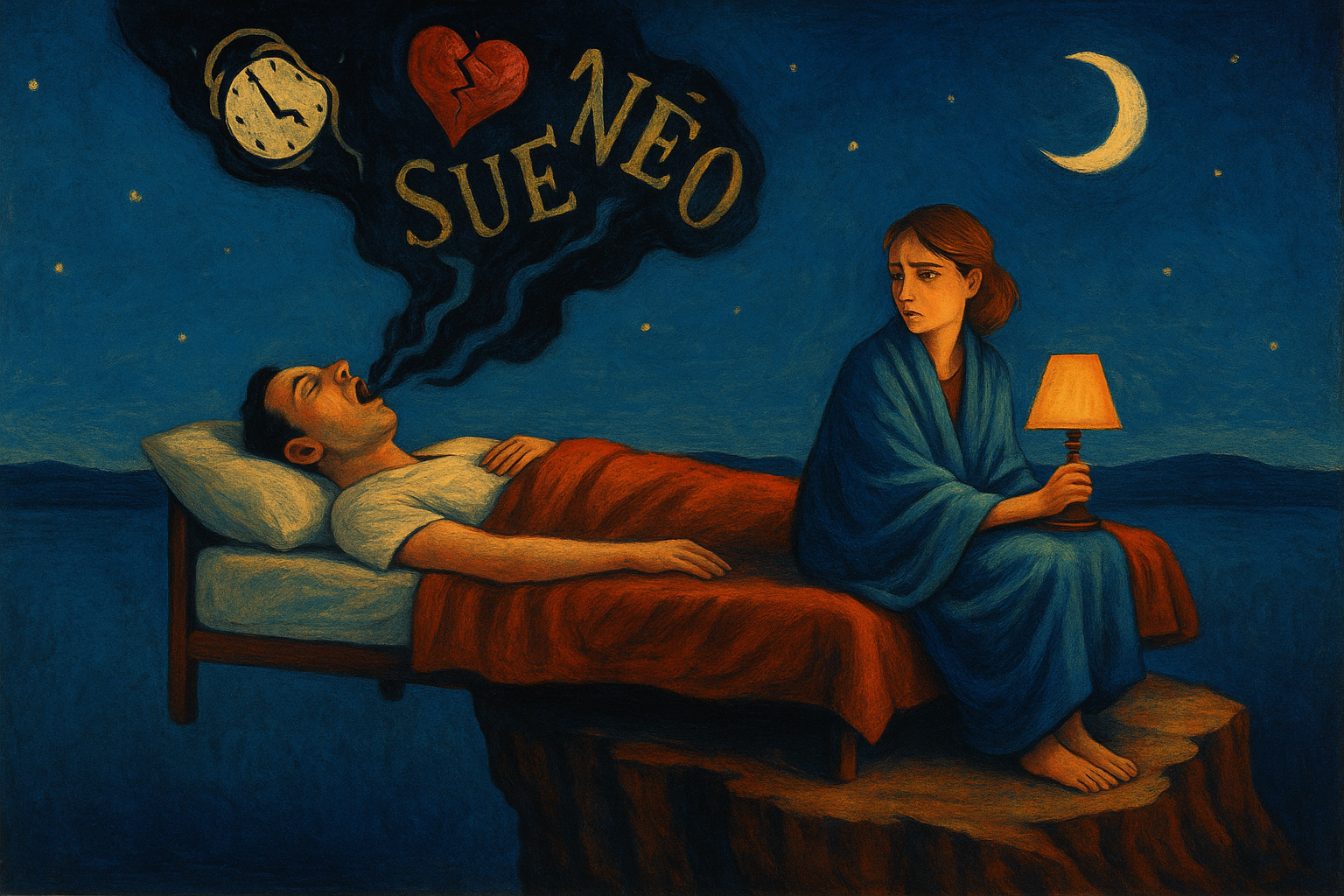
Sleep Apnea: When Sleep Becomes an Invisible Risk
Sleeping should be a refuge. But for many, it’s a silent battlefield.
In Spain, it’s estimated that over 4 million people suffer from sleep apnea, though more than 80% of cases remain undiagnosed (Durán-Cantolla et al., 2005). According to data from Hospital Clínic de Barcelona, nearly 25% of adults with chronic snoring show clinically significant sleep-related breathing disorders. What’s truly concerning is not just the prevalence, but how easily it goes unnoticed.
As a dental sleep medicine specialist, I see it often: patients who believe they sleep well but wake up exhausted, irritable, or with a vague sense of malaise. Because apneas don’t always sound like thunderous snores. Sometimes, they simply steal your quality of life—quietly.
What Is Sleep Apnea?
Sleep apnea is a condition in which breathing is partially or completely interrupted during sleep. These episodes can last from seconds to over a minute and may occur dozens or even hundreds of times a night.
Often, the affected person is unaware. They may think they sleep fine—yet wake up groggy, with a dry mouth, headaches, or trouble focusing. It’s often a partner who notices the loud snoring or the breathing pauses.
Why Should You Care?
Because poor sleep is not just about being tired. Untreated sleep apnea is linked to:
- Increased risk of hypertension, heart attacks, and strokes
- Mood disorders (anxiety, depression)
- Higher risk of road or work-related accidents
- Hormonal and metabolic disturbances (such as insulin resistance)
- Memory and attention problems
In short: poor sleep may mean poorer health.
Not Everyone Needs a CPAP
The CPAP (Continuous Positive Airway Pressure) machine is a highly effective treatment—and essential in many cases. But it’s not the only option. Depending on the type and severity of sleep apnea, other therapies include:
- Mandibular advancement devices (MADs): Custom dental appliances that reposition the jaw to keep airways open.
- Orofacial myofunctional therapy: Exercises to tone airway muscles.
- Lifestyle changes: Weight loss, avoiding alcohol, changing sleep posture.
- Surgical procedures: Only in selected cases.
Treatment must be personalized and often involves a multidisciplinary team: pulmonologists, sleep dentists, physiotherapists, and nutritionists.
If You Need a CPAP, It’s Not the End of the World
Many patients initially resist CPAP therapy due to discomfort or the perception of being “ill.” But with proper support, most adjust—and notice the difference.
Breathing better during sleep can boost your mood, energy, focus, and blood pressure. It can truly change your life.
And more importantly: we’re lucky to live in a time where solutions exist—where action can be taken before the body starts sending more serious warnings.
Final Thoughts
- Do you sleep long hours but wake up unrested?
- Do you wake with headaches, dry mouth, or a racing heart?
- Has your partner noticed you snore or stop breathing?
- Are you irritable, unfocused, or chronically tired for no clear reason?
These aren’t just signs of aging or “stressful times.” Something deeper may be going on. Today, knowing early can change everything.
Good sleep isn’t a luxury—it’s health. And it deserves our full attention.
📚 References
Durán-Cantolla J, et al. Obstructive sleep apnea is a common and underdiagnosed condition in the general population. Am J Respir Crit Care Med. 2005;171(2):164–170.
Bonsignore MR, et al. Sleep apnea and systemic inflammation. Eur Respir J. 2021;58(2):2002345.
Ramar K, et al. Clinical Practice Guideline for the Treatment of Obstructive Sleep Apnea and Snoring With Oral Appliance Therapy. J Clin Sleep Med. 2015;11(7):773–827.
Sociedad Española del Sueño. Estudio SIESTA: Prevalencia de los trastornos respiratorios del sueño en España, 2020.
Related